
an essay
What our parents carriedso we wouldn't have to
On invisible labour, the language of provision, and the love we only learn to read once we are old enough to have carried something ourselves.
i.
The orange he peeled before work
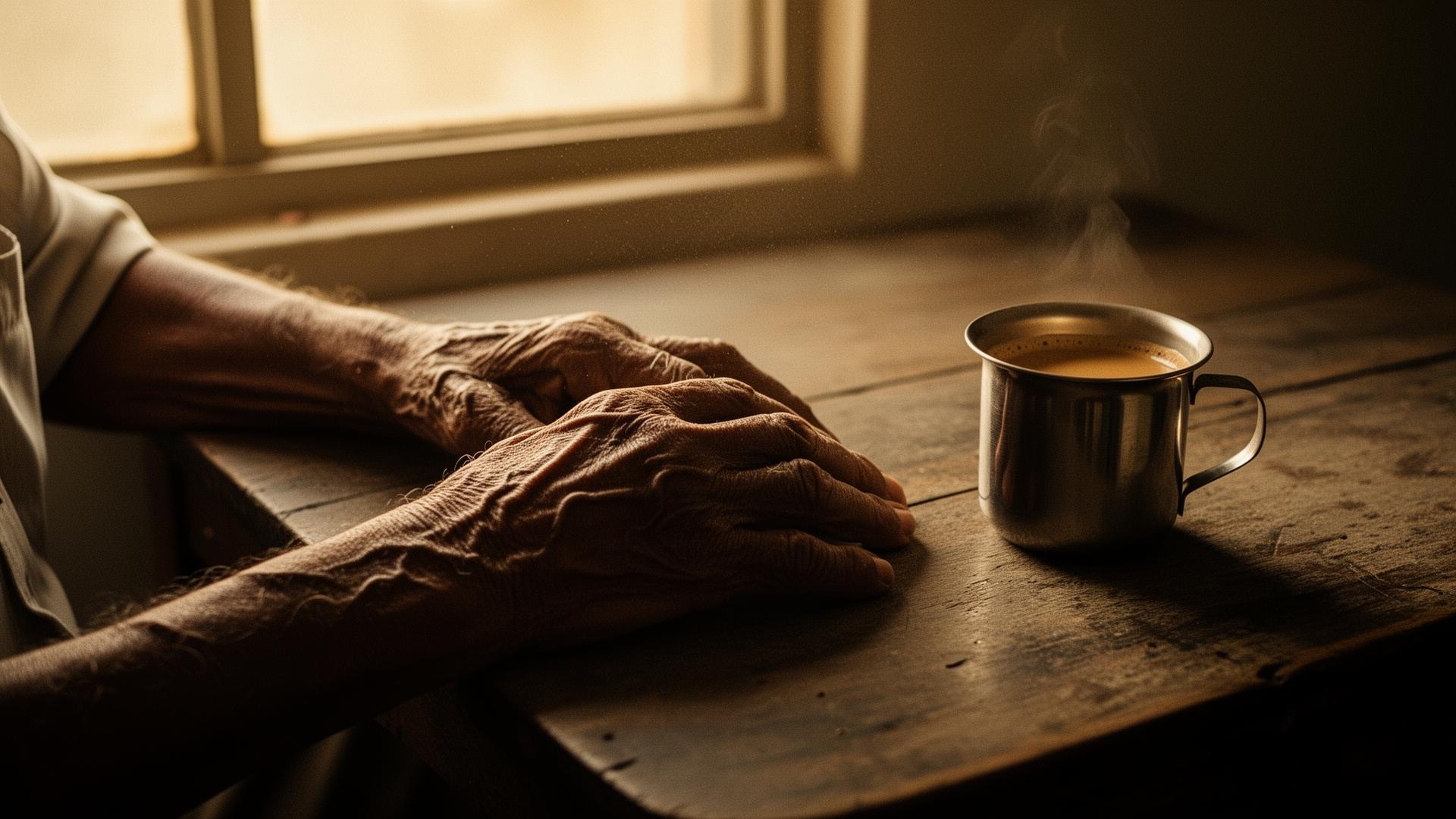
My father woke at four-thirty every morning. I know this only because, decades later, I asked him. As a child, I knew nothing, only that by the time I came down the stairs, the kitchen smelled faintly of cardamom, the kettle had already cooled once, and an orange sat peeled and quartered on a small steel plate at my place.
I never thought to ask who had peeled it. Children do not investigate the source of warmth. They simply walk into it.
It took me twenty-six years and a winter morning in a city he had never been to, peeling an orange for myself with the wrong kind of knife, to understand that my breakfast had been an entire act of devotion. He had stood in that kitchen alone, in the half-dark, performing a small tenderness no one would witness, and then gone to a job he did not love so that I could grow up not having to think about money.
He never mentioned it. Neither did I. We had been living, all those years, inside a love that did not require sentences.
ii.
What children are not meant to see
There is a kindness in being kept from things. My parents practiced this kindness with the discipline of people who had not been spared themselves.
I did not see the bills opened at the dining table after I had gone to bed. I did not see my mother counting notes twice into separate envelopes, rent, school, medicine, the wedding of a cousin she could not afford to insult by sending less. I did not see my father return a shirt to the shop because the colour was wrong, when truly it was the price.
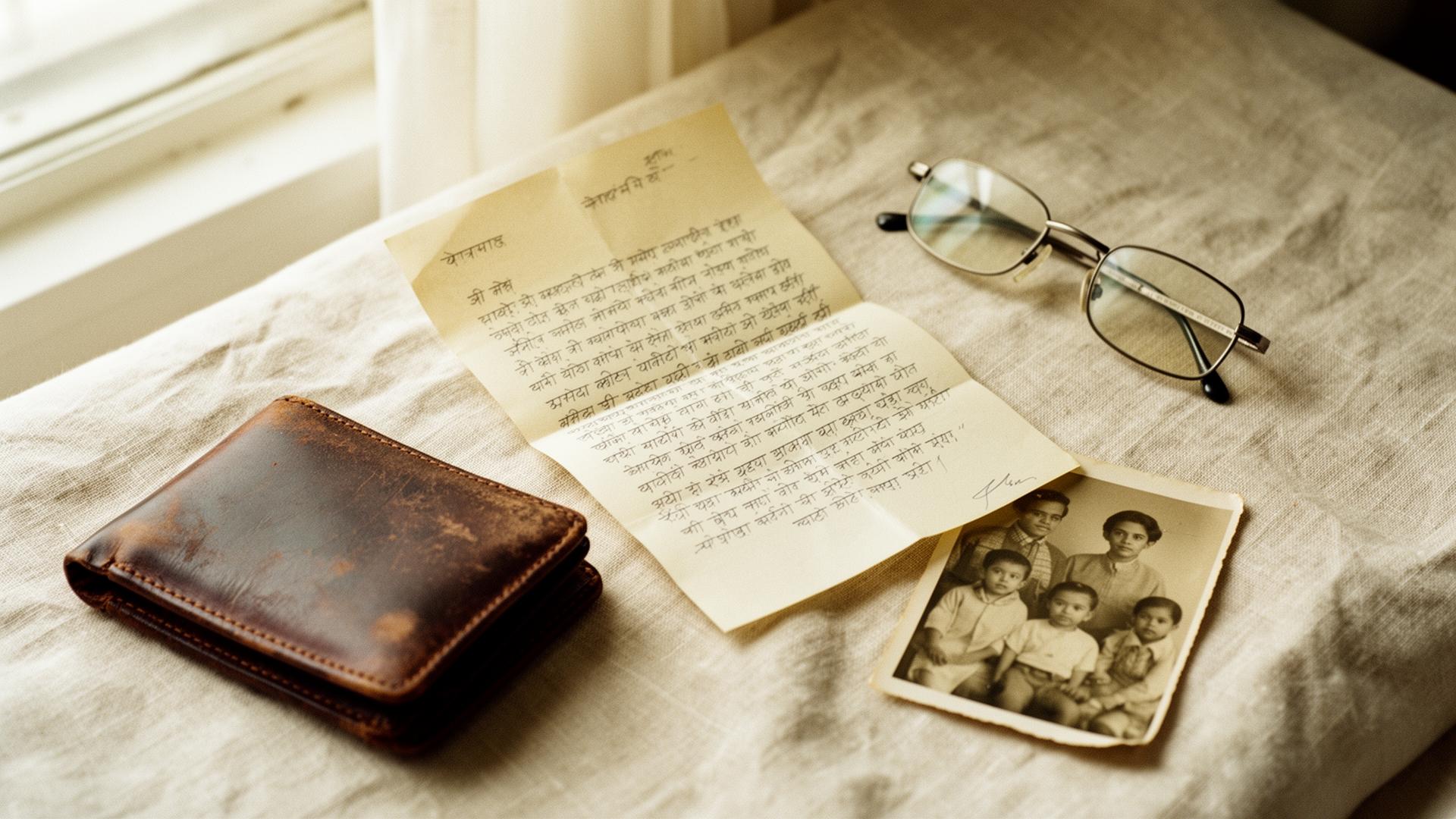
I did not see the phone calls in which my grandmother, far away, asked for help, and my parents said yes before they had worked out how. I did not see the letters from home that arrived softly creased, and the long silences afterward at the dining table, where no one chewed.
I was given an entire childhood in which the adult world was kept three rooms away. I mistook this for the absence of difficulty. It was its quiet management.
iii.
The shape of what they carried
What our parents carried was rarely dramatic. It was not a single grief but a low, daily weather, a hum behind every meal, every parent-teacher meeting, every long bus ride home in clothes that no longer fit the season.
They carried a fear they were not allowed to name, because naming it would have made it real for us. They carried the loneliness of being the first person in a family to leave a town, a country, a way of life, and then the second loneliness of returning home and finding that the people they had left were also no longer the people they remembered.
They carried languages they were teased for, accents they slowly trained out of themselves so that we would not have to. They carried the dreams they had quietly closed and put away in drawers, the music they had loved, the studies they had not finished, the cities they had not gone to, and they replaced those dreams with ours, and pretended the substitution had been seamless.
They carried the unspoken knowledge that resilience, in their generation, was not a virtue. It was a price of entry.
iv.
The language of provision
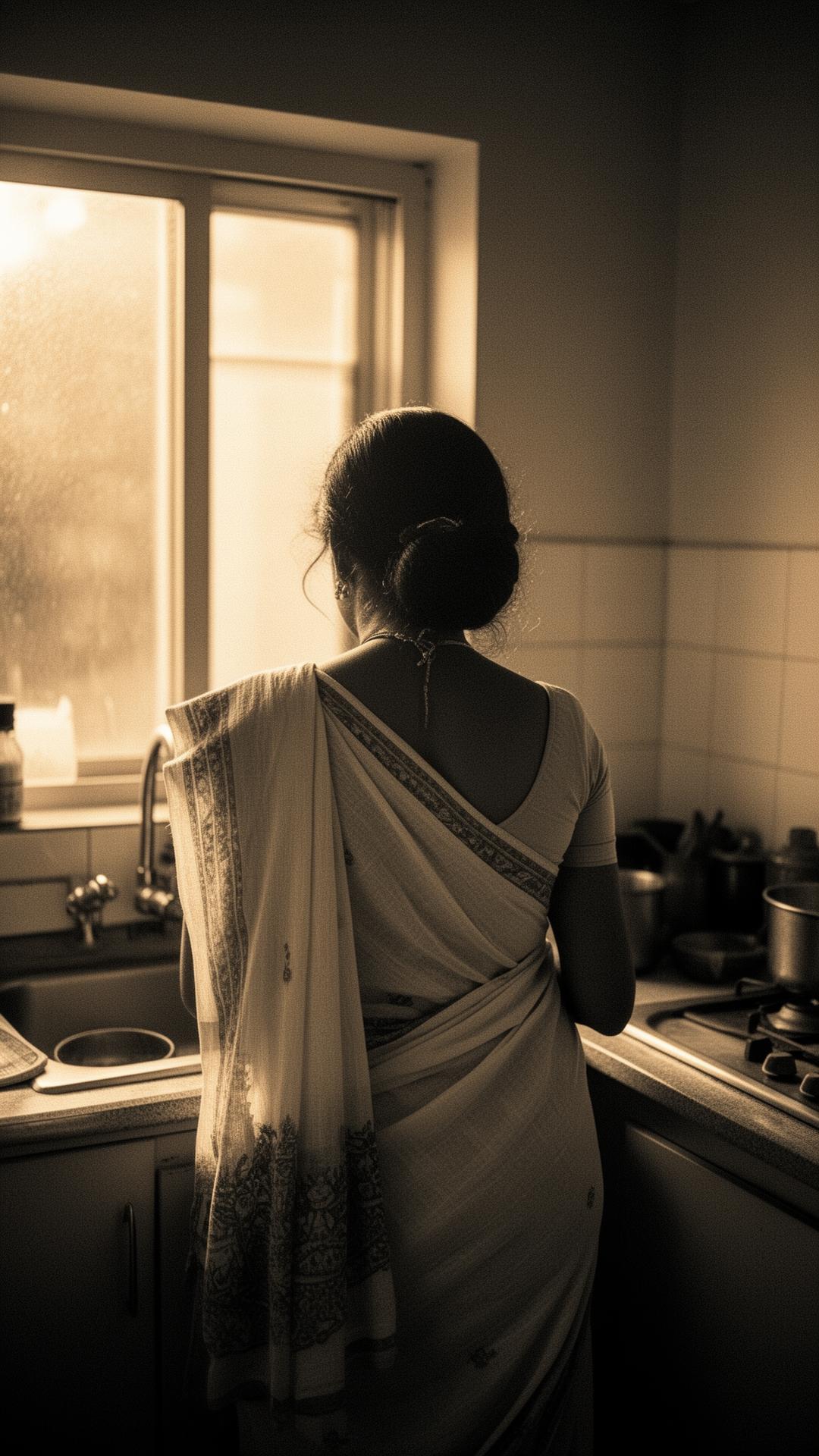
My mother did not say I love you. She said, have you eaten. She said, take a sweater. She said, call me when you reach. She said, I made your favourite, even when she had spent the day with a headache she would not admit to.
There is an entire generation, across cultures, across continents, for whom love was a verb conjugated only in action. They did not learn the vocabulary of feelings because they had not been given the room to feel them. They had been given responsibilities instead, and they translated those responsibilities, faithfully, into our shoes, our schoolbooks, our birthdays remembered to the day.
When I grew old enough to want words, I went looking for them and found, instead, a freshly cooked meal waiting for me on the stove. I understood, slowly, that my mother had been telling me she loved me in the only sentence available to her: the sentence of having made sure I would not be hungry.
v.
When endurance becomes a self
There is a hidden cost to carrying things well. The cost is that you forget how to put them down.
My father, retired now, still sets his alarm for four-thirty. He no longer has anywhere to be. He simply does not know how to be a person who is not preparing for someone else's morning. My mother, given an afternoon to herself, drifts through it like a guest in her own life, her hands looking for a vegetable to chop, a child to wait for, a worry to tend.
We praise our parents for their strength, and we should. But strength, when it is the only available shape, becomes a kind of cage. The generation that endured did not always learn how to be soft with itself afterward. Many of them are still waiting for permission they will never give themselves.
I think part of growing up is noticing this, and trying, very gently, to give that permission back.
vi.
The understanding that arrives late
There is a particular age, different for everyone, but it always comes, at which our parents stop being scenery and become people. We see, suddenly, that they were once twenty-two, frightened, in a city they did not know, holding a job offer in a language they were still learning. We see that they were children, too, with parents of their own who were also carrying things.
It is a strange kind of grief to fall in love with your parents as people, because you also begin to grieve the years you did not know them this way. You think of every door you slammed, every dinner you sulked through, every birthday card you forgot to write, and you understand that they had been forgiving you the entire time without ever telling you there was anything to forgive.
Adulthood, if it teaches us anything, teaches us that our parents were never the giants we mistook them for. They were people, doing their best with what had been done to them, and choosing, again and again, to do less of it to us.
vii.
What we are allowed to inherit
I do not want my children, if I have them, to inherit my parents' silence. But I want them to inherit the orange on the plate. The kettle already cooled. The unspoken, daily, almost invisible practice of making the morning gentle for someone else.
Maybe each generation is meant to put one thing down, and pick one thing up. My parents put down the hunger their parents carried, and picked up the work of providing. I would like to put down some of the silence, and pick up the work of saying so, out loud, while there is still time, that I saw them. That I see them now. That the labour was love, even when the language was missing.
Gratitude, I am learning, does not have to be loud. It can be a phone call on a Tuesday. It can be a softened voice. It can be sitting with my father at the same kitchen table, decades later, and peeling an orange for him.
a small reflection